Commitment Pooling and Community Asset Vouchers

MIYANI, KWALE COUNTY
Jacob's Story
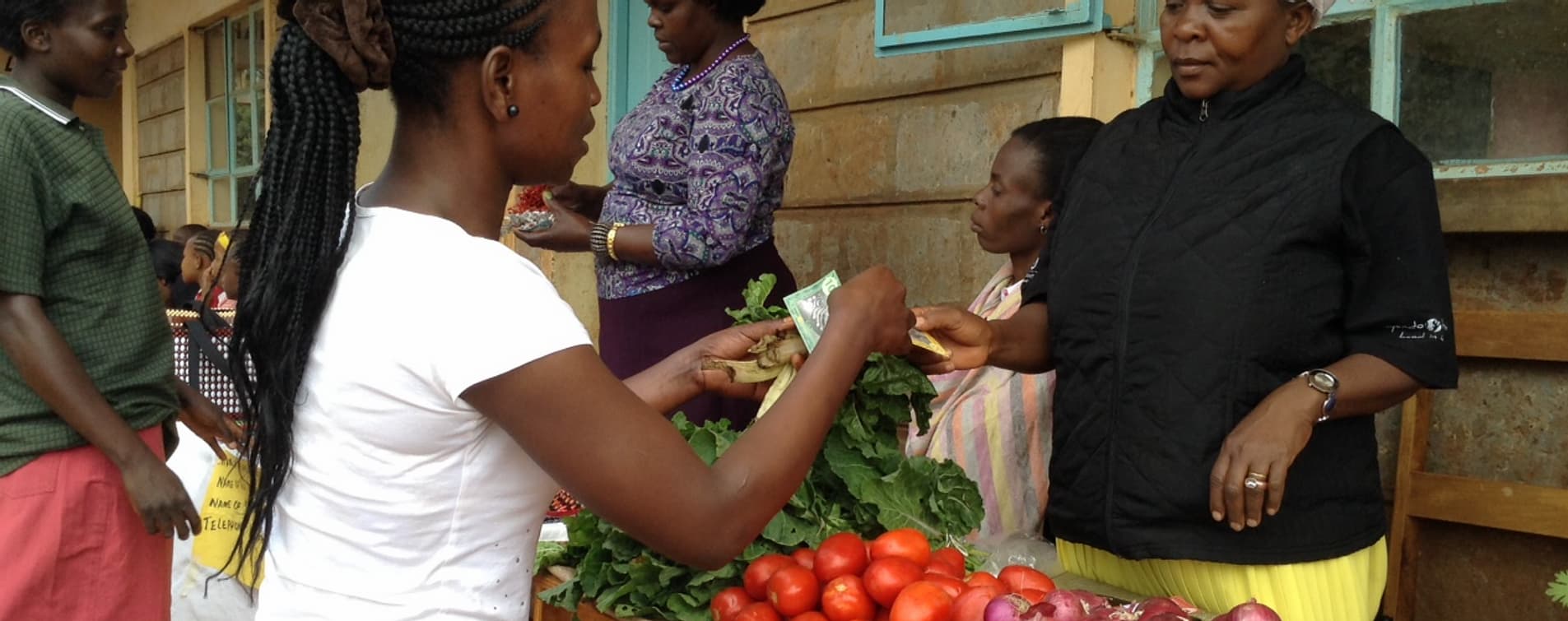
Jacob is a 44-year-old farmer and fisherman with seven children. Before joining a Commitment Pool, his family ate ugali every day — it was all they could afford when Kenyan Shillings were scarce. Through Community Asset Vouchers, Jacob now trades his catch and crops with other pool members. His daily earnings rose from 2,500 to 3,700 KSH on good fishing days. His family now buys rice, beans, and wheat flour.
“I don't have to eat ugali every day now. I can buy rice, beans, wheat flour.”
THE MECHANISM
What are Community Asset Vouchers?
Community Asset Vouchers (CAVs) are formalized commitments that individuals, businesses and communities can make for their goods and services. When pooled together they can also act as regional means of exchange and supplement gaps in the national currency system.
See other CAVs and create your own for free on Sarafu Network.
THE PROCESS
How Community Asset Vouchers Work


Due to economic instability, people often lack money with which to purchase from each other

Commitment Pools, seeded with national currencies and Community Asset Vouchers create a stable medium of exchange tied to local products
Thriving communities build their own prospering economies
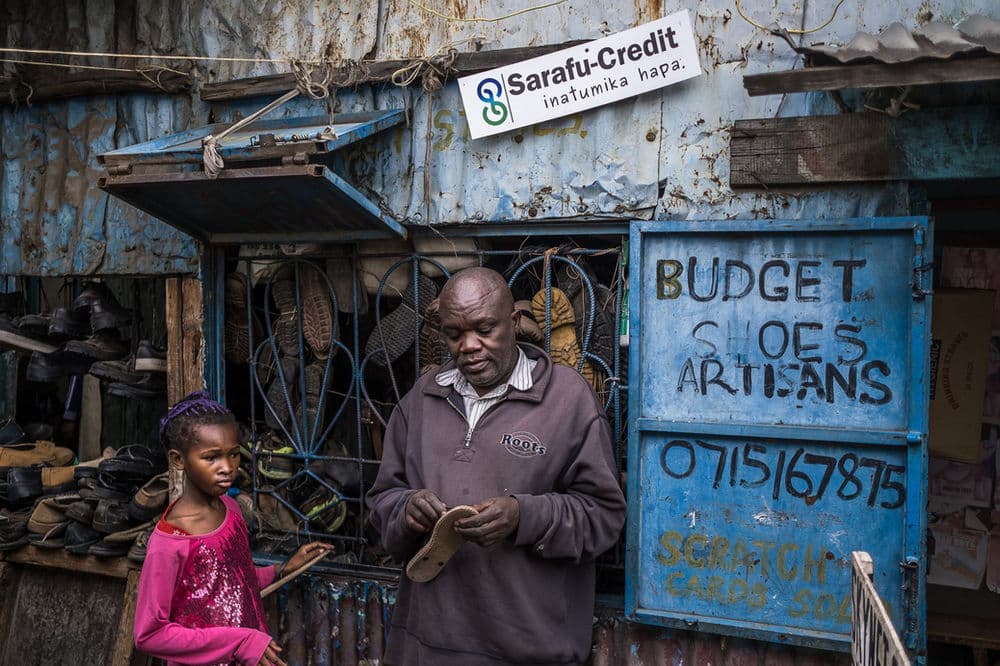
Community and Organizational issued Vouchers connect…
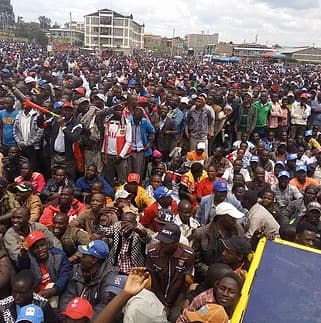
Underutilized workforces
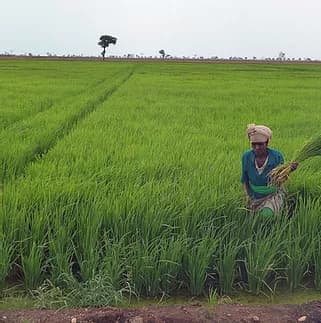
Underutilized resources
…in Commitment Pools as local markets that guarantee the provision of basic needs and a medium of exchange



THE CYCLE
From Investment to Impact
- 1
 1
1Investments and donations provide seed funding and liquidity to develop Commitment Pools for local industries and infrastructure
- 2
 2
2These community groups, business networks and industries issue Community Asset Vouchers which enter circulation as interest-free credit access to Commitment Pools with community services funds and payments for operational costs
- 33
Community Asset Vouchers within Commitment Pools accelerate trade and provide funding for social and environmental services
- 44
Commitment Pools provide markets and incubate local industries
- 5
 5
5These mature industries provide...
Social and financial return in liquidity investments
Social enterprise development
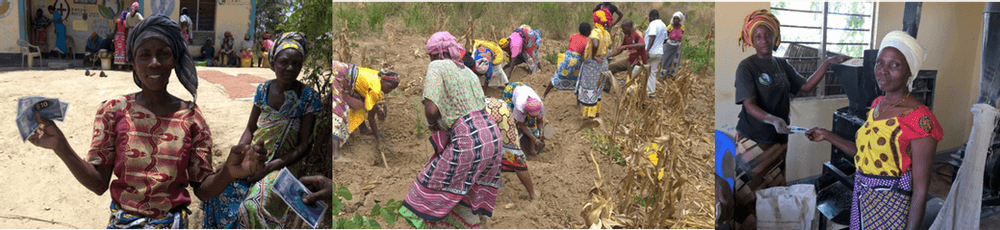
As a socio-economic development tool, Community Asset Vouchers offer an innovative way to improve living standards
Challenges

Lack of money

Market instability
Lack of investment

Excess capital

Lack of local industries
Solutions through CAVs

Interest-free credit

Market stability

Increase in local trade
Build trust and social services

Increase in jobs & development
MEASURED IMPACT
Through our work starting in Kenya we've seen
0%
Increase in trust
Communities reported stronger bonds after formalizing mutual commitments
0%
Increase in gifting
Mutual aid surged as neighbors formalized their commitments through vouchers
0%
Increase in environmental activities
Community members invested more time in environmental activities and food forests
0%
Increase in school attendance
Families could afford school supplies through diversified income
0%
Decrease in crime and corruption
Economic inclusion reduced the need for informal economies
0%
Jobs created
New businesses emerged to serve the growing voucher network
0%
Sales revenue
Merchants saw consistent trade even when national currency was scarce
0%
Food Security
Families like Jacob's went from eating ugali every day to buying diverse foods
ANCIENT PRACTICES
The Roots of Commitment Pooling
ROLA (Rotational Labor Associations) is an ancestral practice where community members take turns helping each other farm, build homes, and create together. It predates any formal economy and is not the same as barter. Commitment Pooling learns from this ancient wisdom and helps us give it digital infrastructure, allowing communities to coordinate mutual aid at scale.
REAL STORIES
Before and After
Before
Jacob’s family ate ugali every day because KSH were too scarce for variety.
After
Through CAVs, Jacob trades fish for rice, beans, and wheat flour from other pool members.
Before
When crops failed in Miyani, farmers had no safety net.
After
1,637 Mwerya events organized. 30 houses built through rotational community labor.
Before
Small businesses in Kawangware couldn’t trade during economic downturns.
After
258 businesses joined the Gatina-Pesa network and kept trading through vouchers.
Going to Scale
See how Community Asset Vouchers are being made globally and create your own on Sarafu Network. Finally create your own pool to connect different vouchers as well as national currencies together!
This is just the beginning!
Community Asset Vouchers via Commitment Pooling are creating a worldwide trust network.